Je izdelek predrag? Nastavi opomnik za ceno in obvestimo te, ko pade!
LOKACIJE TRGOVIN
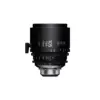
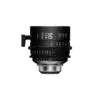
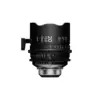
FF Classic Prime LineSigma Cine 35mm T2.5 FF ClassicFF Classic Prime Line has implemented newly developed coatings on the glass elements and offers consistent T value acr...
Preberi cel opis
Ponudba trgovine sigma-shop.si za izdelek Sigma Cine 35mm T2.5 FF Classic. Pravilnost cene in podatkov preveri na spletni strani trgovine.
Parametri izdelka
Sigma Cine 35mm T2.5 FF Classic
Glavni parametri
Pomembna informacija
Ti podatki so zbrani z uradnih strani izdelkov. Preden nadaljujete do končnega nakupa, preverite podrobnosti. Če opazite težavo, jo lahko sporočite tukaj.
FF Classic Prime LineSigma Cine 35mm T2.5 FF ClassicFF Classic Prime Line has implemented newly developed coatings on the glass elements and offers consistent T value across the lineup (14mm and 135mm at T3.2 and the rest of the lenses at T2.5). This will greatly contribute to the effective workflow in postproduction. Furthermore, it is compatible with the communication protocol of Cooke “/i Technology”, thus an ideal tool for shooting and editing with the latest technology, such as VFX. A special coating is implemented on the front and rear elements so that the lens durability is ensured as with all other cine lenses from Sigma.“Classic Art Prime” is a new solution from Sigma that is required for the most advanced technology for classical expression. The “look” that FF Classic Prime Line can offer will enable cinematographers to explore new possibilities in movie creation.43.3mmcoverageT2.5aperture8Kresolution180°focus throw1045gin weight95mmdiameter82mmfilter size30cmmin focusMount: PL-iSpecificationsSPECIFICATIONDETAILSFocal Length35 mmApertureT2.5 - T25Number of Diaphragm Blades9 (Rounded diaphragm)Minimum Focusing Distance0.3 m / 1'Magnification Ratio1:5.2Image CircleFF ?43.3 mmFront Diameter95 mm / 3.7”Filter SizeM 82 x 0.75 mmLengthPL Mount (/i Technology compatible) 87 mm / 3.5”WeightPL Mount (/i Technology compatible) 1.1 kg / 2.3 lbFF54.4°S3538.7°APS-C37.4°Edition Number017Optical designMTF chartsDownloads SIGMA Cine lens brochure Dimensional drawing Lens illumination guide Technical specificationsTechnical glossaryAFL buttonFound on the barrel of some Sigma lenses, this button can be assigned to various functions to widen the range of operations available on the lens (available functions depend on the camera model).Aperture ringAllows users to change aperture using the lens rather than the camera. The ‘Auto’ button on the ring switches aperture control to the camera.Aperture Ring Click switchSome lenses with an aperture ring have a click switch, which allows users to remove the ring’s clicking action. This means the aperture can be changed completely seamlessly rather than in stepped 1/3-stop increments. The function is ideal for film-makers.Aperture Ring Lock switchThis switch locks the aperture ring in either manual or auto, ensuring it can’t get knocked out of position when shooting.ArtOne of the three lines of Global Vision lenses. The Art range includes a mixture of primes and zooms, which boast fast apertures, superb optics and exceptional build quality.Aspherical lensA type of lens element found in most Sigma lenses. Aspherical elements compensate for spherical aberration and distortion, which cannot be completely eliminated using conventional spherical lens elements alone. They are also key to reducing the size and weight of high-power zooms and other large lenses while improving image quality. Hybrid aspherical elements are made by bonding two elements together, one of which is glass and one of which is a polymer. Precision-molded glass aspherical elements are made by direct forming.Brass bayonet mountAll Sigma lenses have a brass mount. It combines high precision with rugged construction and its treated surfaces and enhanced strength contribute to the long-term durability of the lens.CFRP (Carbon Fibre Reinforced Plastic)A light but strong material used on some Sigma lenses. It is also used in the interior and exterior fittings of aircraft, among many other applications.ContemporaryDesigned with size and weight in mind, these highly portable primes and zooms are designed for photographers who need to travel light, but without sacrificing image quality. Contemporary lenses typically don’t have such wide maximum apertures as Art lenses in order to keep their weight down, but do not compromise on optical performance. The I series range is part of the Contemporary line-up, sporting have an all-metal build and a manual aperture ring.DCDesigned for crop-sensor cameras. They can also be used on full-frame bodies, but only in crop mode.DNDesigned specifically for mirrorless cameras. Some non-DN lenses also fit mirrorless cameras, but these were designed originally for DSLRs and later adapted. DN lenses tend to be smaller and lighter.Dual Action ZoomThis is found on some longer Sigma lenses, such as the 60-600mm F4.5-6.3 DG DN OS | Sports. It allows the user to zoom either by turning the zoom ring, which is very accurate, or by pushing and pulling the end of the lens, which is very fast. This makes the lens very adaptable to different types of fast-action subject.Dust - and splash - resistant structureA series of weather seals around the