Je izdelek predrag? Nastavi opomnik za ceno in obvestimo te, ko pade!
LOKACIJE TRGOVIN
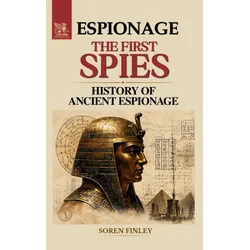
The oldest weapon in the human arsenal is not the spear or the sword - it is information.Thousands of years before the first modern intelligence agency opened its doors, ...
Preberi cel opis
Ceneje.si ti olajša spletno nakupovanje ter pomaga pri izbiri najboljše ponudbe. Shopper's Mind Slovenija s podelitvijo oznake CERTIFIED SHOP® potrjuje, da je Premium trgovec vreden zaupanja in da je spletna trgovina skladna s standardi EU.
Cena z dostavo
29,09 €
Dobavljivost
Na zalogi. Dobavljivo v 9 - 13 dneh od dneva naročila.
Cena je bila osvežena danes ob 21:52.
V vsakem primeru na strani trgovine preverite ali je aktualna cena enaka navedeni na tej strani.
Ponudba trgovine Libristo.si za izdelek The First Spies. Pravilnost cene in podatkov preveri na spletni strani trgovine.
Parametri izdelka
The First Spies
Glavni parametri
Pomembna informacija
Ti podatki so zbrani z uradnih strani izdelkov. Preden nadaljujete do končnega nakupa, preverite podrobnosti. Če opazite težavo, jo lahko sporočite tukaj.
The oldest weapon in the human arsenal is not the spear or the sword - it is information.Thousands of years before the first modern intelligence agency opened its doors, the pharaohs were sending scouts into the Sinai, Assyrian kings were reading intercepted letters from vassal states, and Chinese strategists were writing manuals on how to recruit, run, and protect spies. Espionage did not arrive with the modern state. It was already there when the first states were being built.This book traces the history of intelligence gathering from prehistory through the fall of the ancient world, across more than thirty civilisations on six continents. Egypt, Mesopotamia, Persia, Greece, Rome, China, India, Japan, Byzantium, the Mongol Empire, the Islamic caliphates, the Aztecs, the Inca, the nomads of the Eurasian steppe, the Celtic and Germanic tribes - all of them developed systems of spies, informants, and covert operations, most of them independently of one another.Some of the stories are well known. Sun Tzu's chapter on spies. The Trojan Horse. Julius Caesar's scouts. But many are not. The Scythians sent the Persian emperor Darius a message consisting of a bird, a mouse, a frog, and five arrows - he misread it, and it nearly cost him his army. The Inca ran a relay network that could carry messages faster than the Mongol postal system, without a single written word. Hasan-i Sabbah took an impregnable mountain fortress by spending months converting its garrison from the inside, until the governor simply walked out. Genghis Khan sent spies disguised as merchants into the Khwarazmian Empire years before he invaded - and scholars still debate whether he deliberately provoked the war once he knew he would win it.The pattern that emerges is striking. Civilisations that had no contact with each other arrived at the same solutions: the same types of agents, the same methods of deception, the same problems of trusting the people you send to lie on your behalf. That pattern suggests something important about what espionage actually is - not a cultural invention, but something closer to a structural requirement of any society complex enough to have enemies.