Je izdelek predrag? Nastavi opomnik za ceno in obvestimo te, ko pade!
LOKACIJE TRGOVIN
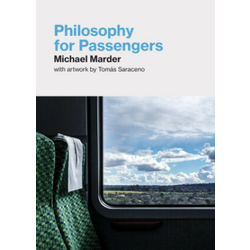
A philosophical guide to passengerhood, with reflections on time, space, existence, boredom, our sense of self, and our sense of the senses.While there are entire booksto...
Preberi cel opis
Ceneje.si ti olajša spletno nakupovanje ter pomaga pri izbiri najboljše ponudbe. Shopper's Mind Slovenija s podelitvijo oznake CERTIFIED SHOP® potrjuje, da je Premium trgovec vreden zaupanja in da je spletna trgovina skladna s standardi EU.
Cena z dostavo
14,73 €
Dobavljivost
Na zalogi. Dobavljivo v 12 - 17 dneh od dneva naročila.
Cena je bila osvežena danes ob 00:01.
V vsakem primeru na strani trgovine preverite ali je aktualna cena enaka navedeni na tej strani.
Ponudba trgovine Libristo.si za izdelek Philosophy for Passengers. Pravilnost cene in podatkov preveri na spletni strani trgovine.
Parametri izdelka
Philosophy for Passengers
Glavni parametri
Pomembna informacija
Ti podatki so zbrani z uradnih strani izdelkov. Preden nadaljujete do končnega nakupa, preverite podrobnosti. Če opazite težavo, jo lahko sporočite tukaj.
A philosophical guide to passengerhood, with reflections on time, space, existence, boredom, our sense of self, and our sense of the senses.While there are entire bookstore sections and even entire bookstores devoted to travel, there have been few books on the universal experience of being a passenger. With this book, philosopher Michael Marder fills the gap, offering a philosophical guide to passengerhood. He takes readers from ticketing and preboarding (preface and introduction) through a series of stops and detours (reflections on topics including time, space, existence, boredom, our sense of self, and our sense of the senses) to destination and disembarking (conclusion). Marder finds that the experience of passengers in the twenty-first century is experience itself, stretching well beyond railroad tracks and airplane flight patterns. On his journey through passengerhood, he considers, among many other things, passenger togetherness, which goes hand in hand with passenger loneliness; flyover country and the idea of placeness; and Descartes in an airplane seat. He tells us that the word metaphor means transport in Greek and discusses the gray area between literalness and metaphoricity; explains the connection between reading and riding; and ponders the difference between destination and destiny. Finally, a Beckettian disembarking: you might not be able to disembark, yet you must disembark. After the voyage in the world ends, the journey of understanding begins.